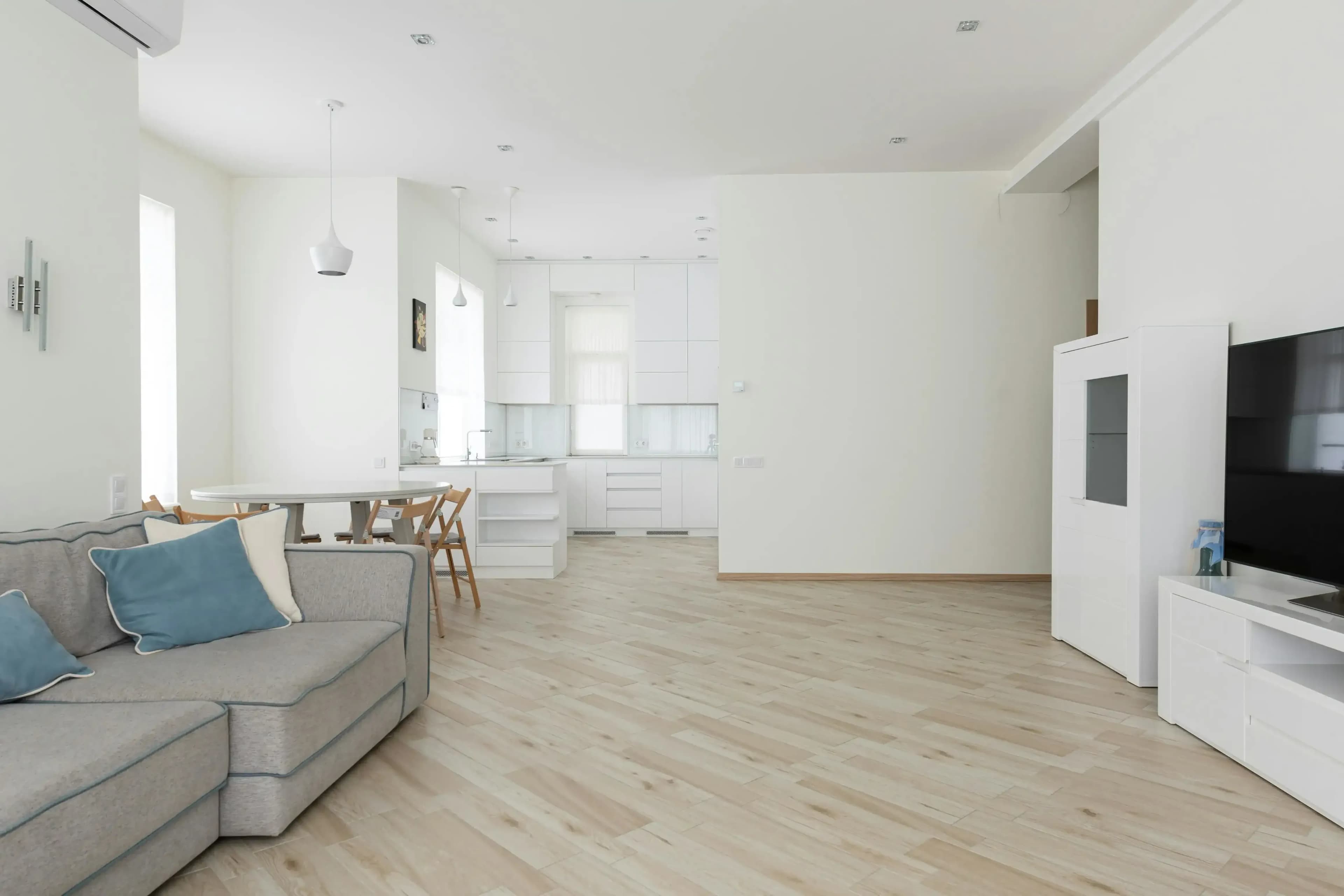
Planning a home renovation in 2026 often brings the false ceiling into sharp focus, as it significantly impacts the lighting and perceived volume of any room. For most Indian homeowners, a standard gypsum false ceiling installation typically costs between ₹70 and ₹150 per square foot, depending on the complexity of the design and the material grade used. While the price might seem straightforward, it is important to factor in additional expenses like labor, framing, finish coatings, and electrical integration. Understanding these variables early in the planning process prevents budget overruns and ensures that the final result aligns with both your aesthetic vision and your functional requirements for cooling or lighting distribution.
12 False Ceiling Designs for Indian Living Rooms (With Photos)
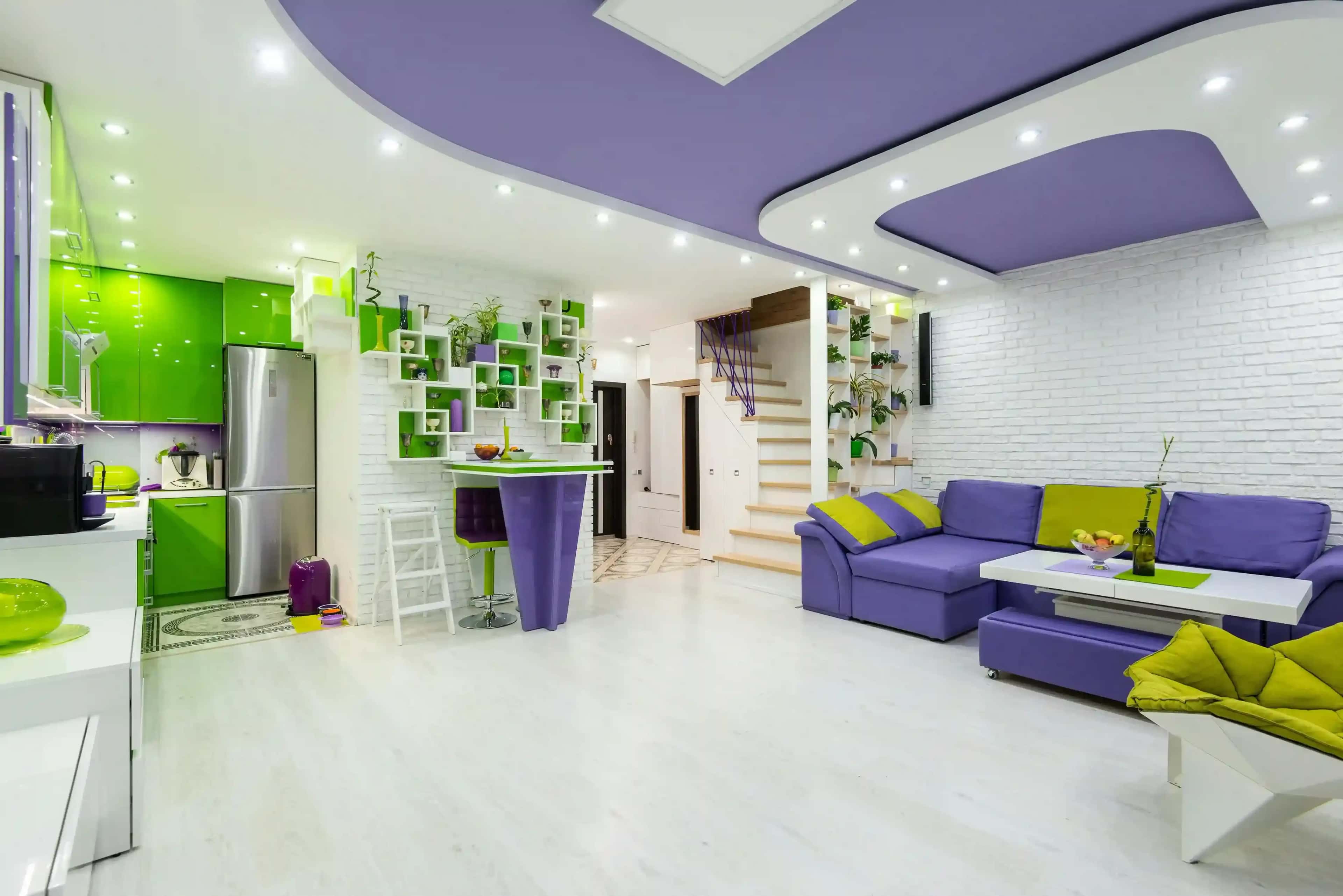
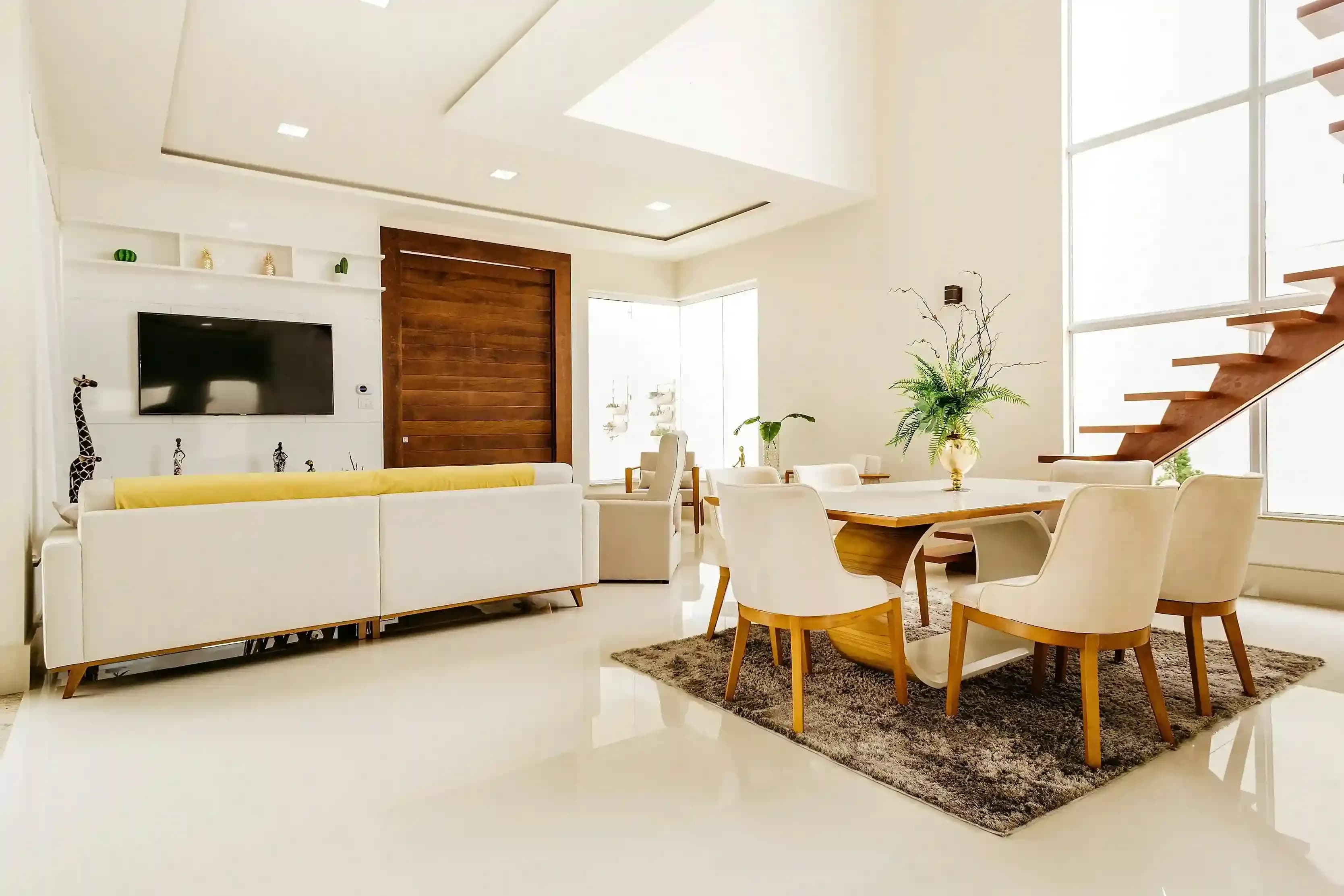
Planning a living room false ceiling in Indian homes often starts with selecting a design language that balances aesthetics with practicality. Popular options include simple single-layer drop ceilings, floating island ceilings, and multi-tiered designs that create depth in larger rooms. Cove lighting remains one of the most widely used elements, as it softly washes the ceiling edges and enhances the sense of height.
Other trending ideas include tray ceilings for a clean, recessed look, geometric patterns using gypsum cutouts, and minimal border designs for compact urban apartments. In more premium interiors, designers often combine layered gypsum panels with concealed LED strips to create a floating effect. While actual photos help visualize the outcome, these categories form the core reference points for most modern Indian living room renovations.
False Ceiling for Bedroom: Cove, Tray, Coffered — Which Works in Indian Flats?
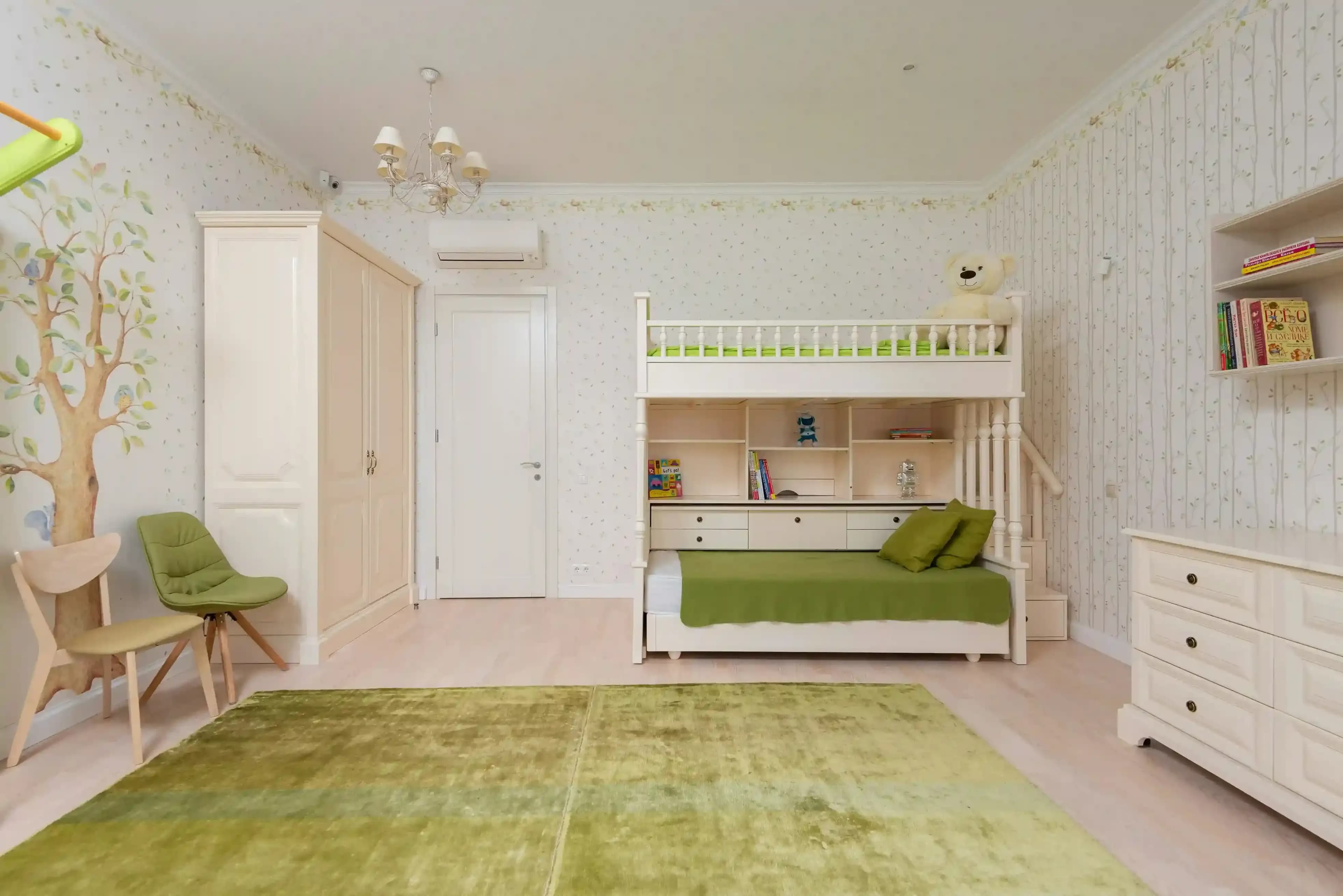
Bedrooms in Indian flats typically have limited ceiling height, so the choice of false ceiling design needs to prioritize comfort and proportion. Cove ceilings are the most commonly recommended option because they provide soft ambient lighting without visually lowering the room height. This makes them ideal for compact bedrooms in urban apartments.
Tray ceilings work well when you want subtle depth without heavy layering, offering a slightly recessed center that feels elegant yet restrained. Coffered ceilings, while visually striking, are better suited for larger bedrooms with higher ceilings, as their grid-like structure can feel heavy in smaller spaces. In most 2026 apartment layouts, gypsum-based cove or shallow tray designs remain the most practical and visually balanced choices.
False Ceiling Cost Per Sq Ft in Delhi NCR 2025 (POP vs Gypsum)
In Delhi NCR, false ceiling costs in 2025 generally range between ₹70 and ₹150 per square foot for standard gypsum installations. For a more detailed breakdown of current market pricing and material-wise estimates, you can refer to this false ceiling cost guide for Delhi NCR. However, more complex designs involving multiple layers, curves, or integrated lighting can push costs up to ₹200 per square foot. The final pricing depends heavily on design complexity, labor, framing quality, and finishing materials.
Gypsum boards are the most commonly used material due to their clean finish, fire resistance, and faster installation process. In contrast, POP (Plaster of Paris) is preferred for intricate, customized designs that require sculptural detailing and curved edges. While gypsum is more predictable in cost and execution, POP allows greater artistic flexibility but often increases labor time and mess during installation. For most urban homes in Delhi NCR, gypsum remains the more practical and time-efficient choice.
False Ceiling + Lighting Combinations That Work in Low-Ceiling Indian Flats
Lighting plays a critical role in making low-ceiling Indian flats feel more spacious. One of the most effective combinations is cove lighting paired with a simple single-layer gypsum ceiling, which creates an illusion of height by washing light upward rather than downward. This reduces visual clutter and prevents the ceiling from feeling heavy.
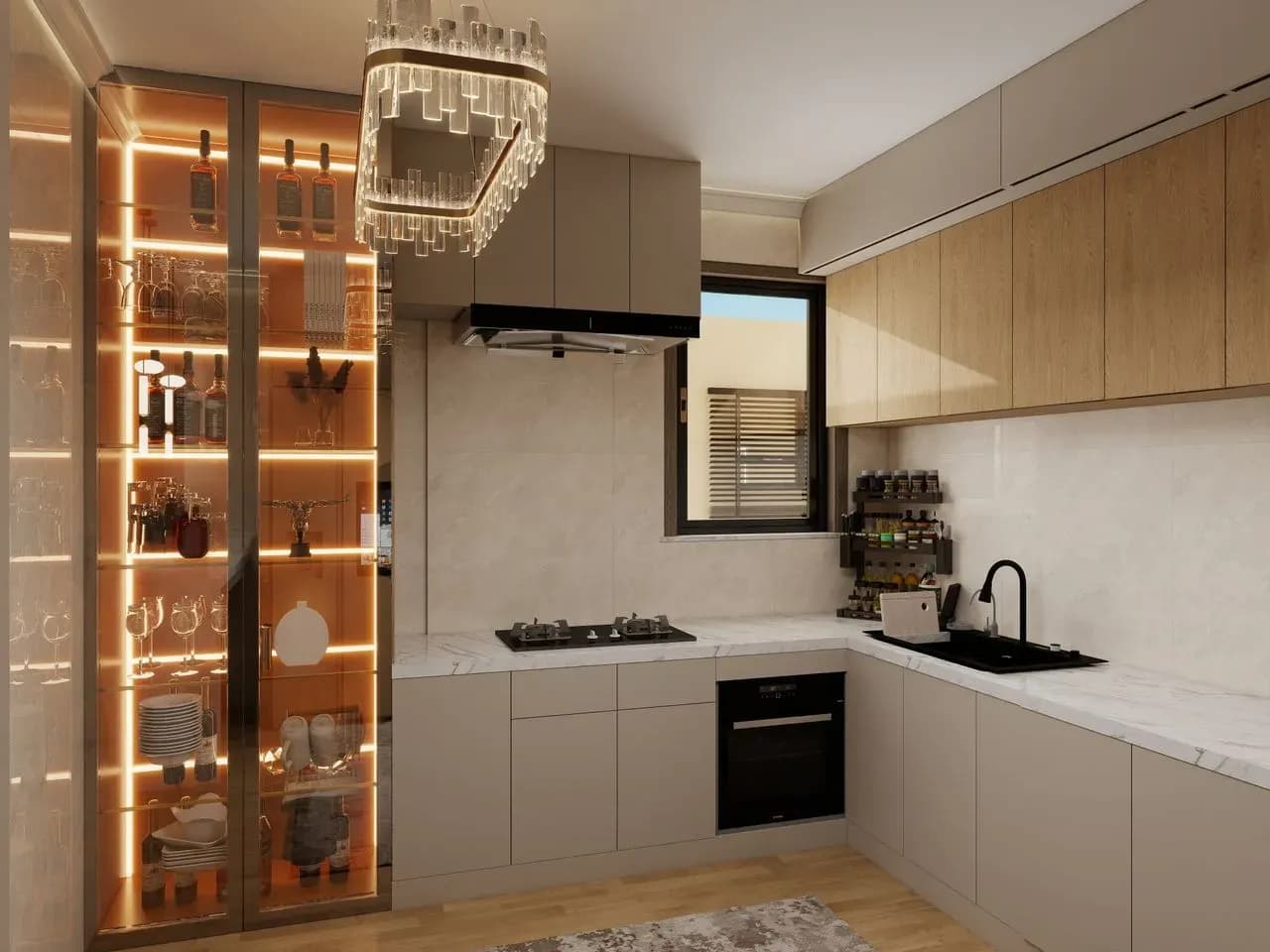
Another effective approach is using recessed LED spotlights instead of bulky hanging fixtures, especially in rooms with ceiling heights below standard dimensions. Floating border ceilings with hidden LED strips can also define spaces without lowering the perceived volume of the room. A key planning step is finalizing the electrical layout before installing the ceiling, as post-installation changes can damage the finish and increase costs. Proper use of GI framing and high-quality jointing materials further ensures that lighting integrations remain seamless and durable over time.
Common Mistakes to Avoid in False Ceiling Electrical Planning and Framing
A common mistake many homeowners make is neglecting to plan the electrical layout before the ceiling installation begins. Once the gypsum boards are fixed and painted, accessing the plenum space to change a light point or add a concealed wire becomes difficult and potentially damaging to the finish. Always ensure that your lighting plan is finalized in tandem with the ceiling design. Ensure that your contractor uses high-grade GI channels rather than cheaper alternatives, as poor-quality framing can lead to sagging or cracking over time, especially in areas with significant temperature fluctuations, which are common in Northern India. If you're planning a professional installation, you can consult experienced false ceiling designers in Delhi NCR for proper electrical planning and execution.
How to Ensure a Long-Lasting False Ceiling Finish: Materials, Joints, and Contractor Checklist
To achieve a long-lasting false ceiling, insist on high-quality jointing tape and compounds. These are the unsung heroes of the installation; if they are substandard, hairline cracks will appear at the joints within a few months of installation. When selecting a contractor, ask to see previous project sites or portfolio images specifically showcasing the finish of the edges and corners. A well-executed ceiling should look monolithic, with no visible seams or uneven patches. Ultimately, the success of your false ceiling relies on the balance between professional installation practices and the quality of raw materials, ensuring your ceiling remains a pristine, structural asset for years to come.