Home Interior Cost in Delhi NCR (2026): Per Sq Ft & Full 3BHK Budget Guide
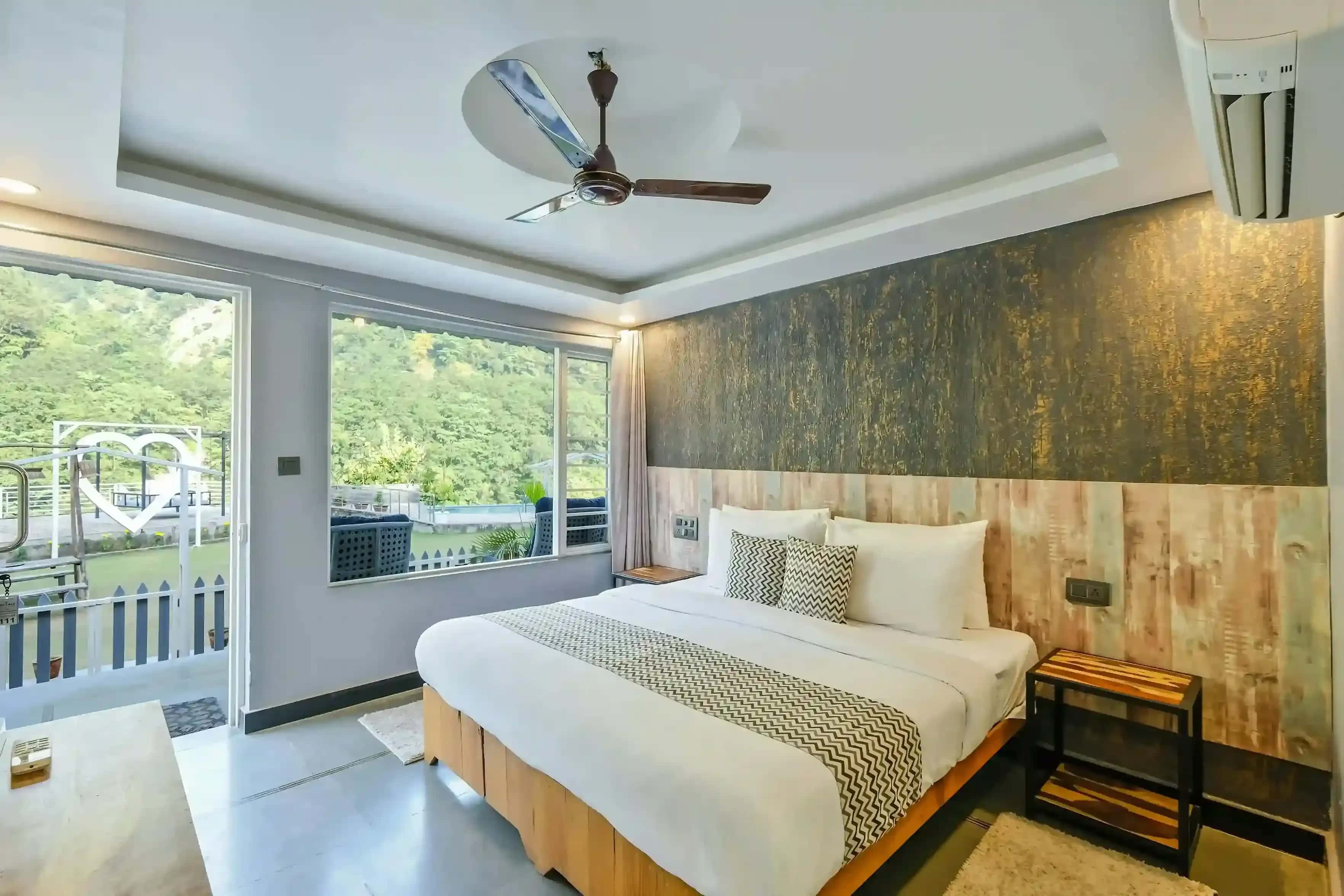
Planning a home interior project in Delhi NCR in 2026 requires a clear understanding of the financial landscape. On average, homeowners can expect to invest between ₹1,500 and ₹2,500 per square foot for a standard full-home interior setup. For a typical 3BHK apartment in regions like Noida, Gurgaon, or South Delhi, this translates to a budget ranging from ₹12 lakhs to ₹35 lakhs, depending heavily on the scope of work and finish specifications. While modular solutions offer predictable pricing, site-based carpentry often carries variable costs due to fluctuating labor charges and material wastage. Knowing these ballpark figures early allows you to prioritize features that truly add value to your daily living experience without overextending your financial reserves.
What Is Interior Design Cost in Delhi in 2026?
Interior design costs in Delhi in 2026 typically range from ₹1500 to ₹2,500 per sq ft, depending on the quality of materials, level of customization, and project complexity. For a standard 1,000 sq ft apartment, homeowners can expect to spend anywhere between ₹10 lakh and ₹40 lakh, with the final figure determined by the scope of work and finish specifications selected during the design phase.
At the entry level, basic interiors costing ₹10–15 lakh usually include essential modular furniture, laminate finishes, standard lighting, basic false ceiling work, and economical flooring materials. These projects focus on functionality and storage while maintaining a controlled budget. They are particularly common among first-time homeowners and rental property investors looking for durable, cost-effective solutions.
Mid-range interior projects generally fall between ₹15–25 lakh and represent the most popular category across Delhi NCR. This budget allows for premium laminates, branded hardware systems, customized wardrobes, designer lighting, modular kitchens, and better-quality wall finishes. Homeowners seeking a balance between aesthetics, functionality, and long-term durability often choose this range.
Area-Wise Interior Cost Breakdown: Kitchen, Bedrooms, Living Room & More
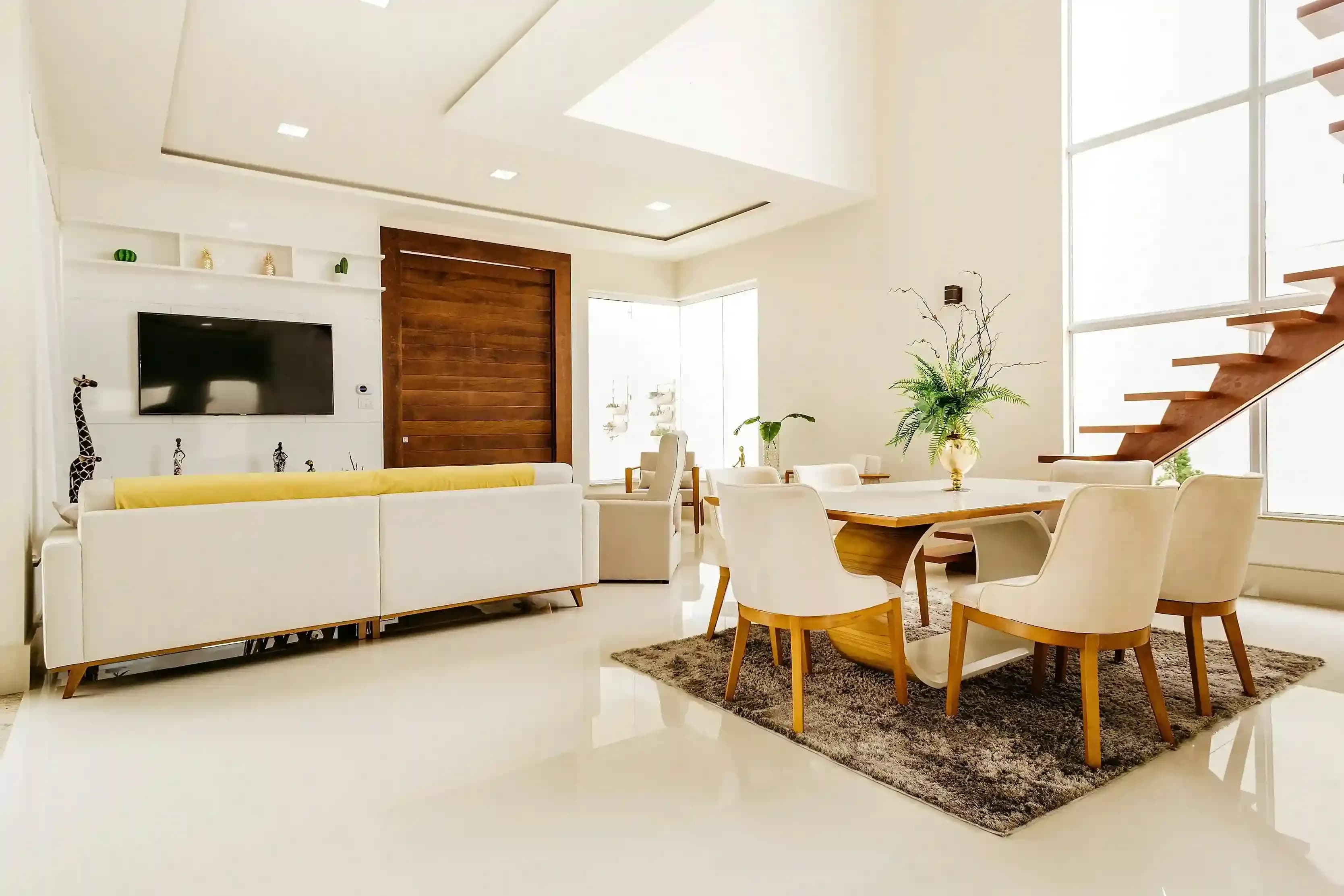
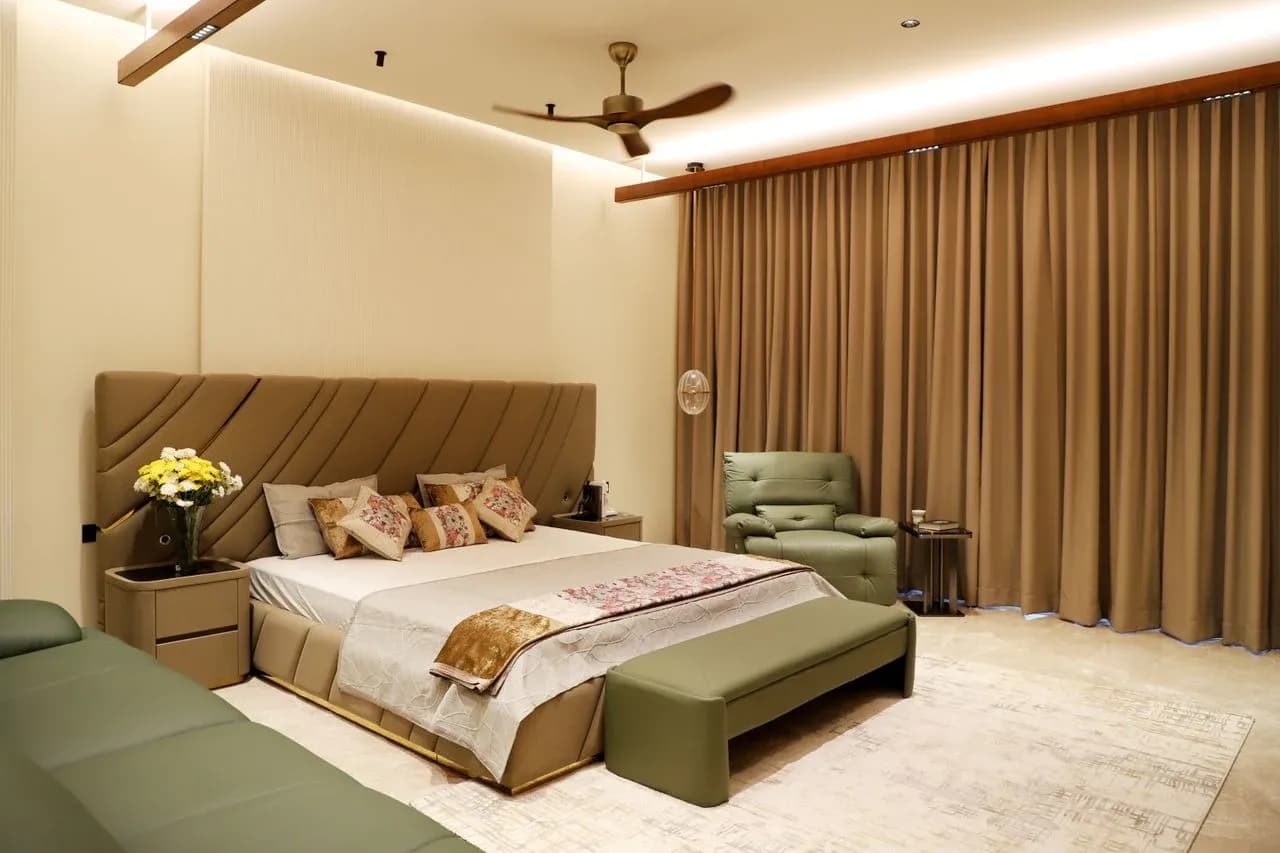
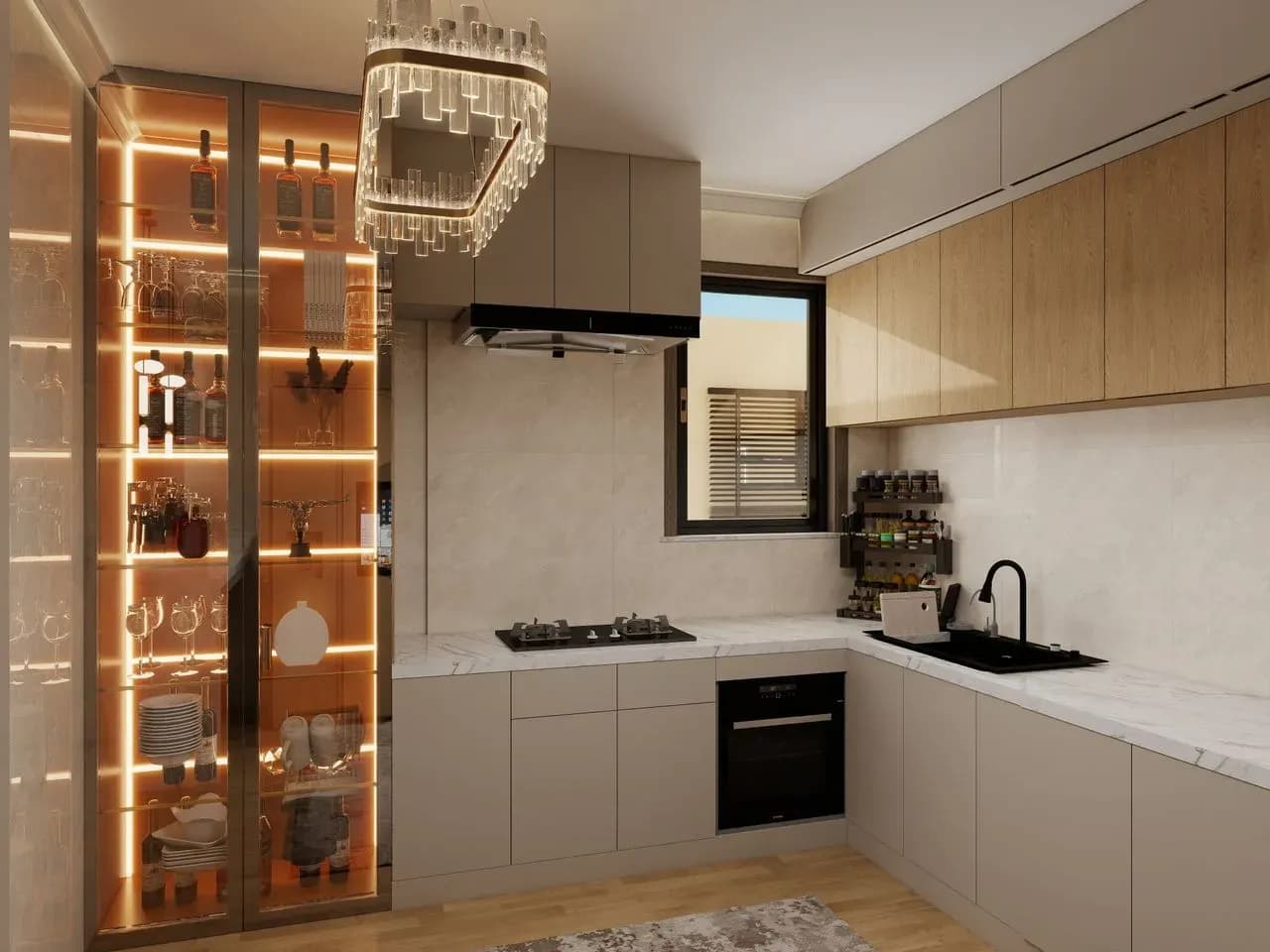
Breaking down the costs by area is the most effective way to manage your budget. A modular kitchen typically claims the largest share, often costing between ₹2.5 lakhs and ₹6 lakhs depending on the choice of hardware—like soft-close hinges and tandem drawers—and the cabinet finish, whether laminate, acrylic, or PU. Bedrooms are primarily driven by wardrobe size and complexity; a floor-to-ceiling wardrobe with sliding doors usually starts at ₹65,000. For the living area, costs fluctuate based on the volume of wall paneling, false ceiling designs, and custom TV units. In 2026, we see a growing preference for high-pressure laminates and boiling water-proof (BWP) plywood, which provide a balance between longevity and cost-efficiency, ensuring your investment stands up to the seasonal humidity shifts common in the Delhi NCR region.
How Material Choice and Design Complexity Affect Interior Costs
Several factors dictate whether your project cost trends toward the higher or lower end of the spectrum. The most significant variable is the choice of material core and exterior finish. While basic commercial plywood and standard laminates keep costs low, opting for BWP-grade plywood, quartz countertops, or high-end acrylic finishes can increase the budget by 30-40%. Additionally, the complexity of design, such as intricate fluted paneling, hidden lighting profiles, or floor-to-ceiling glass partitions, introduces more labor hours and specialized installation expertise, both of which command a premium. Site conditions also play a role; apartments in newer complexes with strict working hours and freight elevator limitations often involve higher labor logistics costs compared to independent houses where material movement is less restricted.
Modular vs Site Carpentry: Choosing the Right Furniture Solution
Homeowners in Delhi often deliberate between choosing modular factory-finished units or traditional site-fabricated furniture. Modular furniture offers precision and consistency, as units are manufactured in controlled factory environments with high-quality edge banding, which is difficult to replicate on-site. However, modular systems are often less flexible when it comes to unconventional wall dimensions. Conversely, site carpentry provides the advantage of bespoke customization, allowing for design adjustments in real-time. Yet, site-made furniture relies heavily on the skill of individual carpenters, and the quality of finish can vary significantly. For 2026, the trend is shifting toward a hybrid model—utilizing modular carcases for cabinets for their durability and precision, while opting for site-finished paneling and vanity units to achieve unique aesthetic goals that are tailored to the specific proportions of the room.
Hidden Costs in Home Renovation: Electrical, Plumbing & Contingency Planning
A common misconception is that interior design costs are strictly limited to furniture and cabinetry. Many homeowners overlook the 'hidden' costs such as electrical rewiring, plumbing modifications, lighting fixtures, and the base civil work required for wall treatments. In an average 3BHK renovation, electrical and lighting alone can account for 10-15% of the total budget. Another frequent mistake is prioritizing superficial aesthetics—like expensive wallpaper or wall moldings—over structural necessities like waterproofing, hardware quality, or wire gauge. Spending on high-quality hardware like soft-close mechanisms ensures that your cabinetry remains functional for years, whereas an expensive laminate surface will not compensate for sagging drawers or malfunctioning door tracks. It is essential to allocate a 10% contingency fund to handle unforeseen site challenges that almost inevitably arise during the construction phase.
Tips to Control Interior Project Costs and Avoid Budget Overruns
To effectively control your project costs, start by creating a detailed scope of work before approaching any design partners. Be specific about the hardware brands you prefer and request a comparative quote that breaks down the material grades, such as the difference between MR (Moisture Resistant) and BWP (Boiling Water Proof) plywood. When interviewing professionals, look for transparency in their quotation process. A reliable partner will provide a bill of quantities that allows you to swap materials to fit your budget. Prioritize spaces that you use most frequently, such as the kitchen and primary bedroom, and adopt a phased approach to secondary areas like guest rooms or utility balconies if the budget feels stretched. Getting clarity on the 'per square foot' inclusions early on prevents mid-project surprises and ensures that the final output aligns with your financial expectations.