3BHK Interior Design Cost in Delhi NCR (2026): Complete Budget Overview
Renovating or furnishing a 3BHK apartment in Delhi NCR typically requires a budget ranging from ₹8 lakhs for basic functional interiors to over ₹25 lakhs for high-end, bespoke finishes. This price range is heavily influenced by your choice of materials, the extent of civil modifications, and whether you opt for site-made carpentry or factory-finished modular furniture. For a standard 3BHK, most homeowners find that a realistic mid-range budget of ₹12 to ₹15 lakhs covers quality BWP-grade plywood cabinetry, branded hardware, and essential electrical and lighting upgrades. Understanding these figures early is vital to prevent mid-project budget inflation.
Room-Wise Cost Breakdown for a 3BHK Interior Project
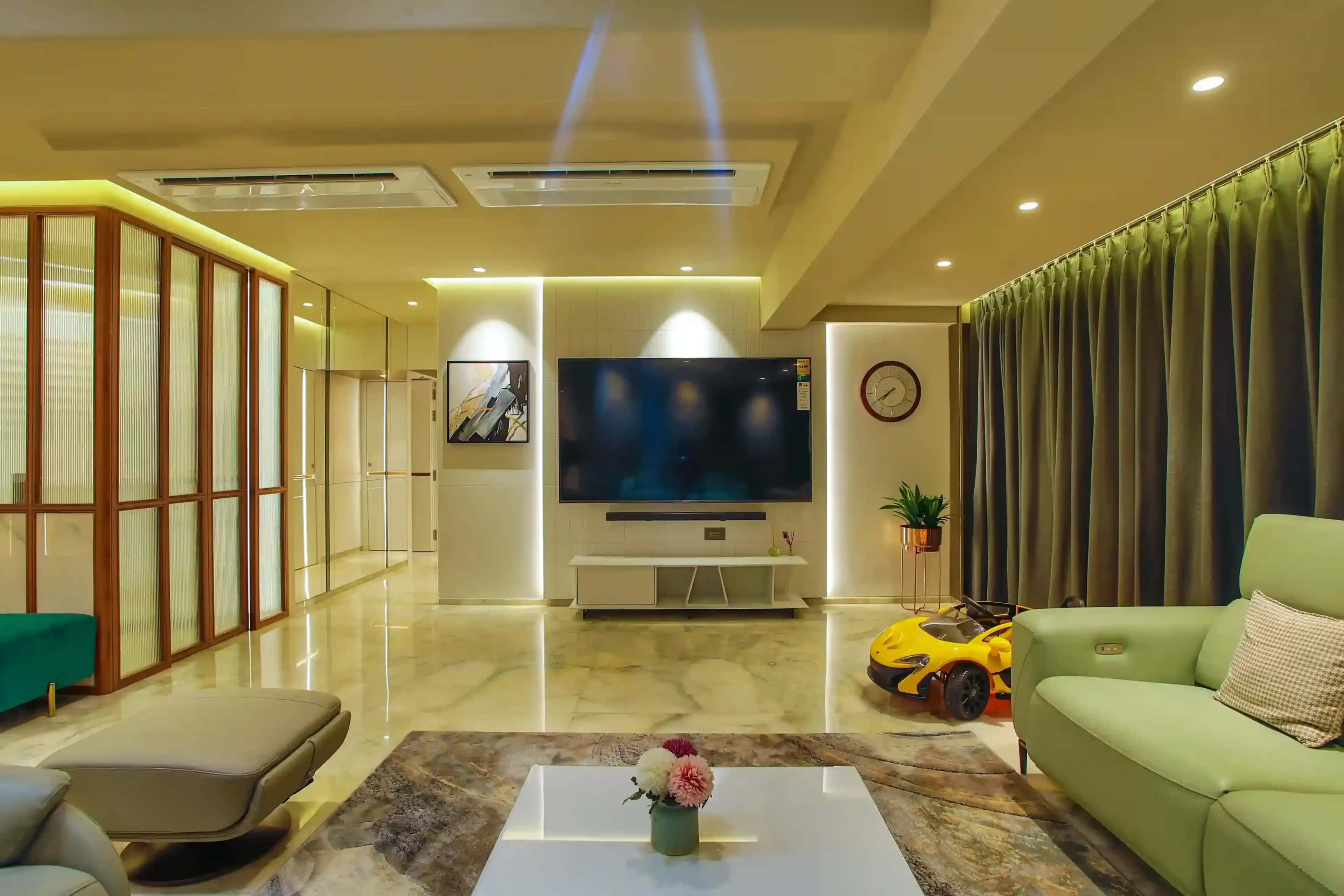
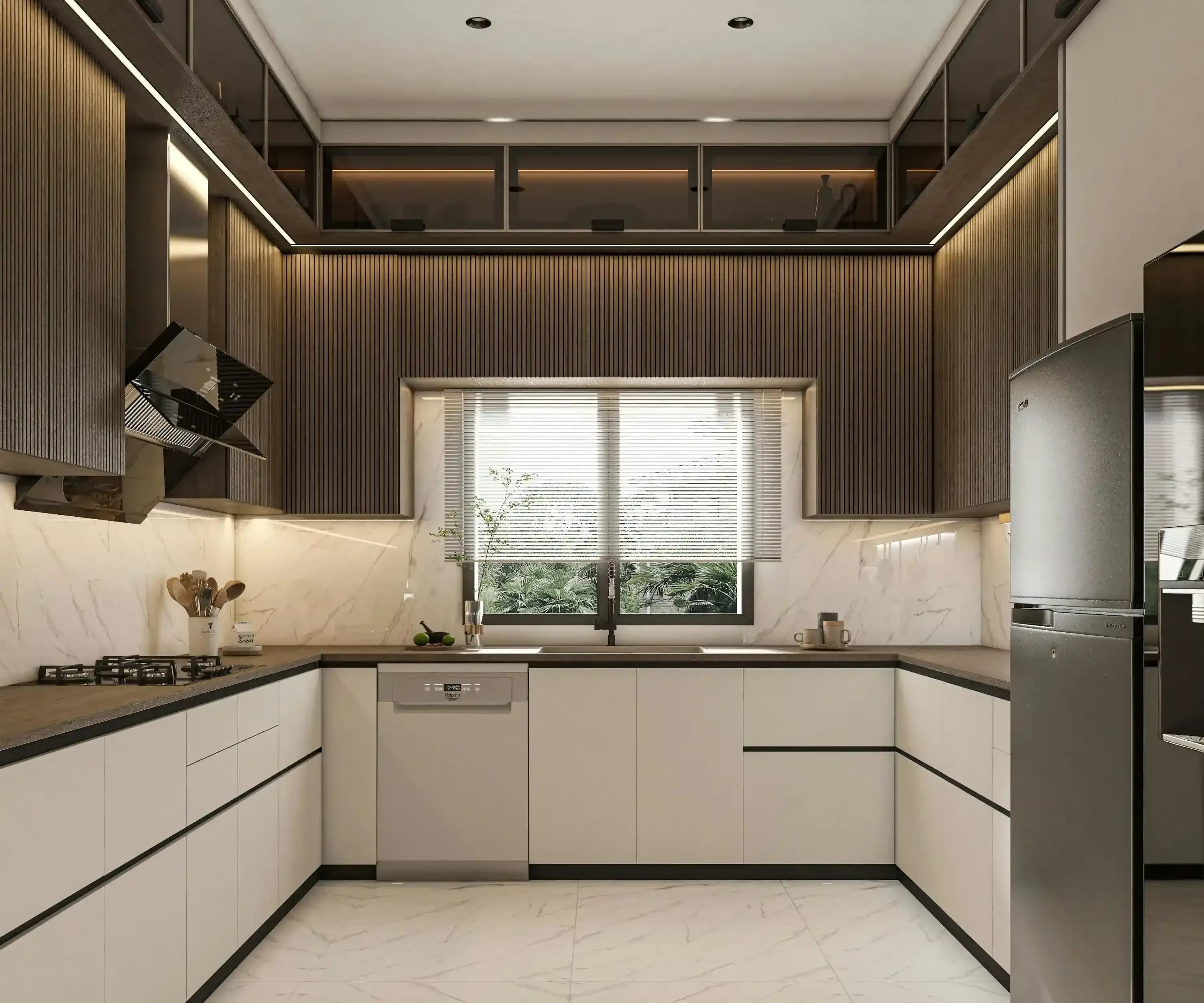
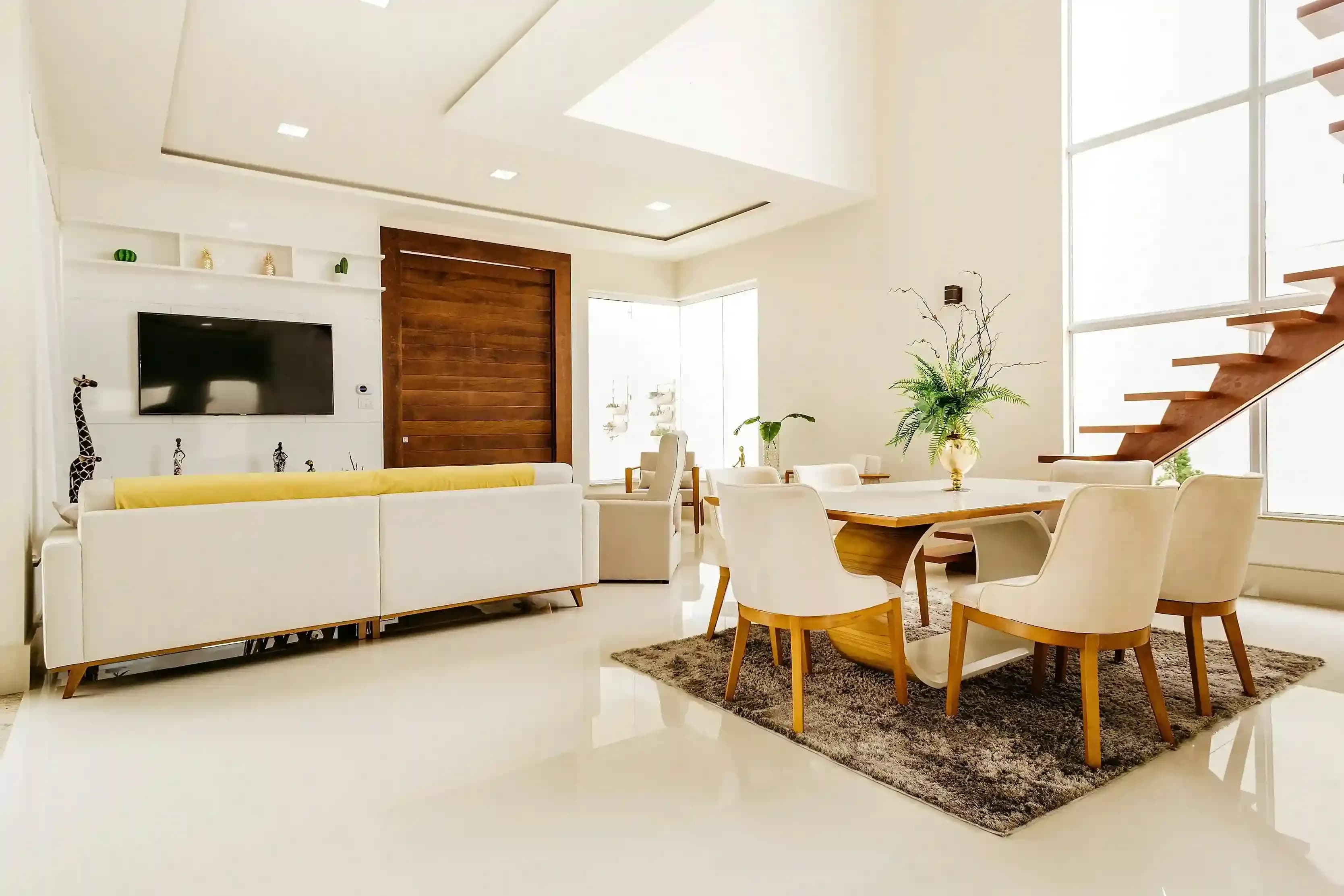
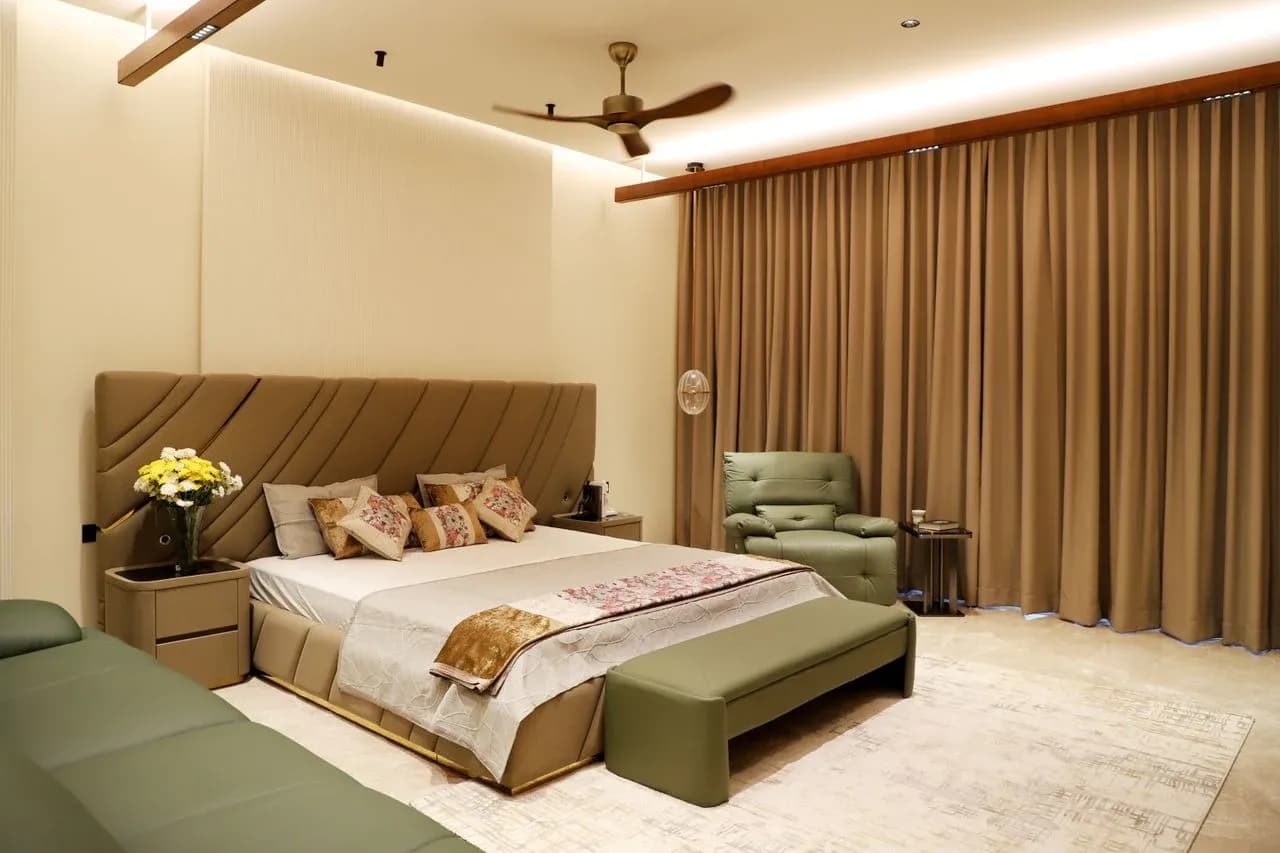
Breaking this down by room, the kitchen is often the most expensive zone, consuming 25-30% of your total budget. A functional modular kitchen with BWP plywood and soft-close hardware typically starts at ₹2.5 lakhs. Next, the master bedroom wardrobe and storage units usually cost between ₹1.2 to ₹2 lakhs depending on the internal organizers and shutter finish—laminate being the most economical, and acrylic or PU finishes pushing the cost significantly higher. For the living room, false ceiling work, paneling, and TV units add another ₹2 to ₹4 lakhs to the total, while secondary bedrooms and guest rooms generally require lighter investments in wardrobes and basic study tables, keeping the costs for those rooms under ₹1 lakh each.
Key Cost Factors Affecting 3BHK Interiors in 2026
The primary factor driving costs in 2026 is the raw material grade. Using ISI-marked BWP (Boiling Water Proof) plywood versus commercial grade plywood can create a 20% variance in the total wood-work quote. Furthermore, hardware selection—such as choosing between entry-level hydraulic hinges and high-end dampening systems—significantly impacts both price and longevity. Labor costs in the Delhi NCR region have also stabilized but remain premium, meaning that intricate, labor-intensive designs will naturally command a higher price than standard, boxy storage solutions. Finally, the inclusion of electrical work, such as smart lighting, concealed wiring, and high-end switchboards, often catches homeowners off-guard, adding a silent but substantial 10-15% to the total bill.
Site-Made Carpentry vs Modular Furniture: Which Is Better?
When deciding between site-made carpentry and modular furniture, consider the trade-offs carefully. Carpentry offers the flexibility of bespoke measurements, which is useful in older Delhi apartments with uneven walls or awkward niches. However, the quality of finish and long-term durability often suffer due to inconsistent workshop conditions. Modular furniture, produced in factory environments using CNC machines and edge-banding technology, offers superior finish, precision, and durability. While modular systems often have a higher upfront cost, they offer better value in the long run, especially given the rapid evolution of kitchen and storage technology that makes factory-standard systems easier to repair or upgrade over time.
Hidden Costs in 3BHK Interior Design You Should Not Ignore
A common mistake many homeowners make is neglecting the 'hidden' costs such as transport, site debris removal, and post-installation professional cleaning. In a city like Delhi or Gurugram, RWA guidelines can be strict, and carrying materials up through elevators or during specified hours can increase labor overhead. Many people also underestimate the cost of soft furnishings—curtains, rugs, and décor items—which should ideally represent 10% of your total budget. Attempting to force a high-end designer look on a budget meant for standard functional interiors is another pitfall; it often leads to low-quality material choices that will show wear and tear within 18 months of daily use.
How to Plan and Control Your 3BHK Interior Design Budget Effectively
To stay within your planned investment, prioritize functional areas first. Spend your money on high-quality internal infrastructure—like good plywood and hardware—rather than expensive decorative veneers or wallpapers that can be easily replaced later. When interviewing vendors, always ask for a detailed BOQ (Bill of Quantities) that specifies brand, material thickness, and hardware series. Transparency is your best defense against project overruns. In the current 2026 market, expect vendors to account for current material market fluctuations; ensure your contract clearly defines the scope of work to avoid 'change orders' that typically balloon a project's final cost. Always maintain a 10% contingency fund to handle unforeseen site challenges.