Carpenter Rate per Square Foot in Delhi
The carpenter rate per square foot in Delhi generally ranges between ₹120 and ₹250 for labor-only contracts, depending on the complexity of the design, the type of work, and the specific area of the project. For homeowners planning renovations in Delhi NCR, understanding these charges is the first step toward effective budgeting.
Simple flat-surface furniture, such as basic storage units and straightforward shelving, generally falls toward the lower end of the range. In contrast, intricate custom woodwork involving moldings, specialized joinery, curved designs, drawers, or detailed finishing can command a higher rate.
It is also important to distinguish between labor-only and contract-inclusive carpentry rates. With a labor-only contract, the homeowner typically supplies raw materials such as plywood, laminate, veneer, and hardware. A contract-inclusive quote combines material and labor costs into one figure.
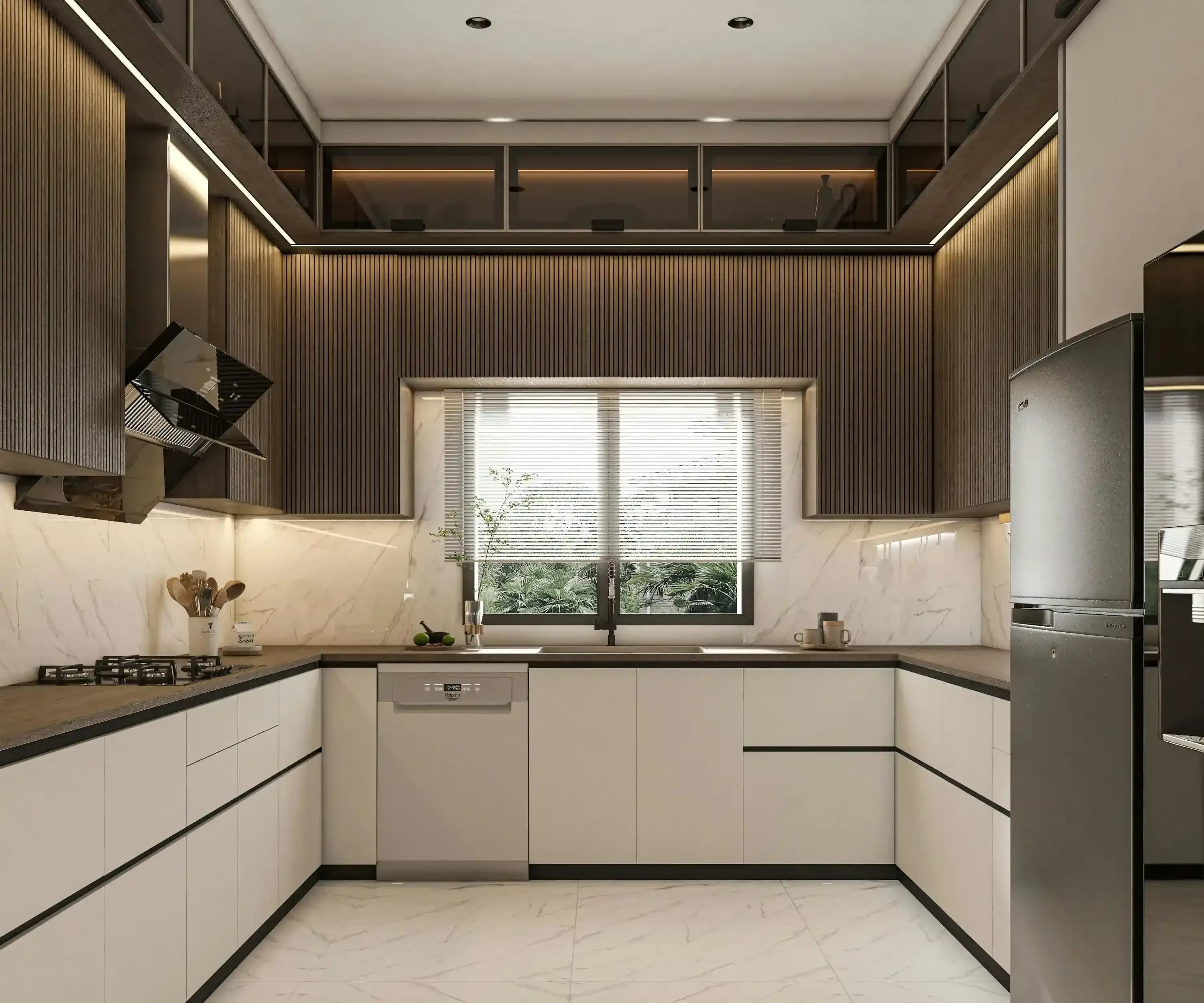
For homeowners comparing traditional carpentry with factory-made modular solutions, this guide on modular kitchen vs. carpenter-made kitchen can help you understand the differences in construction, customization, pricing, and installation.
Factors That Affect Carpentry Rates in Delhi NCR
Carpentry pricing in India is rarely a flat rate because several variables influence the final quotation. The most important factors include the material selected, board thickness, design complexity, finishing, hardware, and site conditions.
For example, BWP plywood generally costs more than commercial plywood because of its better moisture resistance. Similarly, finishes such as PU polish, high-gloss laminate, and natural veneer can increase the overall project cost.
In Delhi NCR, specialized carpenters who work primarily on high-end modular furniture, custom wardrobes, or site-made cabinetry may also charge a premium for their expertise.
When collecting quotations, ask for a detailed cost breakdown. Confirm whether the quoted rate includes installation of:
- Hinges
- Drawer channels
- Handles
- Pull-out accessories
- Soft-close mechanisms
- Other hardware and fittings
Clarifying these details before work begins can prevent unexpected expenses later.
How Design Complexity Impacts Carpenter Charges
Design complexity is one of the biggest drivers of carpentry costs. A standard wardrobe with basic shelving requires considerably less labor than a wardrobe with multiple drawers, pull-out organizers, loft storage, integrated lighting, or specialized fittings.
When a carpenter visits a Delhi home, they may assess architectural drawings, design sketches, measurements, and existing site conditions. Designs requiring high-precision cutting, specialized edge-banding, curved elements, or complicated joinery require additional labor and expertise.
Site conditions can also affect the final price. Confined workspaces, irregular walls, uneven floors, and difficult access—conditions that can be common in older Delhi apartments—may require additional leveling, cutting, adjustment, and finishing work.
If you are planning a wardrobe project, working with a dedicated design professional can make the process more predictable. You can explore wardrobe designers in Delhi NCR to compare professional design options before finalizing your carpentry scope.
Labor-Only vs. Material-Inclusive Carpentry Rates
Before accepting a quote, determine exactly what the carpenter's per-square-foot rate covers.
A labor-only quotation usually means that the homeowner purchases and supplies the plywood, laminate, veneer, hardware, adhesive, and other required materials. The carpenter charges primarily for fabrication and installation.
A material-inclusive contract, on the other hand, combines materials and labor. While this can be more convenient, it is important to request specifications for every major material and component.
Your quotation should ideally mention:
- Plywood brand and grade
- Plywood thickness
- Laminate or veneer specification
- Internal and external finishes
- Hardware brand and type
- Edge-banding specifications
- Number and type of drawers
- Hinges and drawer channels
- Installation charges
- Transportation, if applicable
- Any applicable taxes
This makes it easier to compare two quotations accurately rather than simply comparing their headline square-foot rates.
Why Choosing the Cheapest Carpenter Can Cost More
Many homeowners make the mistake of choosing a carpenter based solely on the lowest square-foot rate. In interior projects, an unusually low quote can sometimes indicate limited experience, lower-quality materials, inadequate tools, or insufficient attention to finishing.
Poor workmanship can result in:
- Misaligned cabinet doors
- Sagging shelves
- Uneven edges
- Weak or incorrect joinery
- Poor laminate application
- Improperly installed hinges
- Excessive plywood wastage
- Premature repairs
High-quality carpentry requires accurate measurement, precise cutting, proper joinery, and appropriate tools. If a contractor offers a rate that appears significantly below other quotations, ask to see previous projects and inspect the quality of details such as edge-banding, cabinet alignment, and finishing.
Paying a slightly higher labor rate for an experienced professional can be more economical than repairing poorly executed furniture a few months after installation.
How to Estimate Your Interior Carpentry Budget
Instead of calculating your budget using the carpenter's labor rate alone, consider the complete project cost.
A basic calculation can be approached as:
Total Carpentry Cost = Area × Labor Rate + Material Cost + Hardware + Finishing + Installation/Additional Charges
For example, if 100 sq. ft. of carpentry is quoted at ₹180 per sq. ft. for labor, the labor component would be:
100 × ₹180 = ₹18,000
The final project cost will be higher once plywood, laminate or veneer, hardware, accessories, finishing, transportation, and other applicable charges are added.
For kitchen projects, homeowners can also use a kitchen price calculator to get a more structured understanding of potential kitchen costs before discussing the project with a contractor.
Get Your Interior Style Right Before Starting
Cost is only one part of an interior renovation. The design style, storage requirements, preferred finishes, and overall look of the home should be established before detailed carpentry work begins.
If you are unsure which aesthetic works best for your home, take the Velmore Living Interior Style Quiz to explore your preferred interior style before finalizing materials, colors, and furniture designs.
Having a clear design direction can also reduce last-minute changes, which can otherwise increase both material wastage and labor costs.
How to Manage a Carpentry Project in Delhi
Practical project management can make a significant difference to your final budget. Before any work begins, make sure you have a written agreement that clearly states the scope of work, rates, materials, payment schedule, and expected completion timeline.
Instead of paying the entire amount upfront, consider linking payments to clearly defined project milestones, such as:
- Completion of the basic frame
- Installation of doors and drawers
- Hardware installation
- Final finishing and snagging
Keep track of material consumption throughout the project. Material wastage is one of the areas where site-based carpentry projects can exceed the original budget.
It is also useful to document design changes in writing. Any addition or modification should have its cost confirmed before the carpenter proceeds with the work.
Final Thoughts on Carpenter Rates in Delhi
Carpenter rates in Delhi typically depend on far more than the quoted square-foot figure. Labor rates of approximately ₹120–₹250 per sq. ft. can provide a useful starting point for budgeting, but the final cost depends on design complexity, material quality, hardware, finishing, site conditions, and the scope of work.
The best approach is to compare detailed quotations rather than choosing the lowest rate. Confirm what is included, specify material grades and hardware, establish payment milestones, and maintain a written record of the agreed scope.
With proper planning and professional execution, homeowners in Delhi NCR can achieve high-quality custom furniture while keeping renovation costs more predictable.