Modular Kitchen vs Carpenter-Made Kitchen: Understanding the Core Differences
For many homeowners in Delhi NCR, the choice between a modular kitchen and a carpenter-made kitchen often boils down to a debate between factory-precision and on-site customization. A modular kitchen typically ranges from ₹2.5 Lakhs to ₹7 Lakhs depending on the configuration and finishes, while a carpenter-made kitchen can vary significantly based on labor costs and material wastage. The fundamental difference lies in the process; modular units are precision-engineered in factory settings using CNC machinery and edge-banding technology, ensuring a seamless finish and standardized quality. Conversely, carpenter-made kitchens are built on-site, offering high flexibility for unconventional kitchen dimensions but often lacking the mechanical uniformity and factory-applied edge treatments that prevent moisture seepage in our humid climate.
Technical Comparison: Materials, Construction Quality, and Hardware Integration
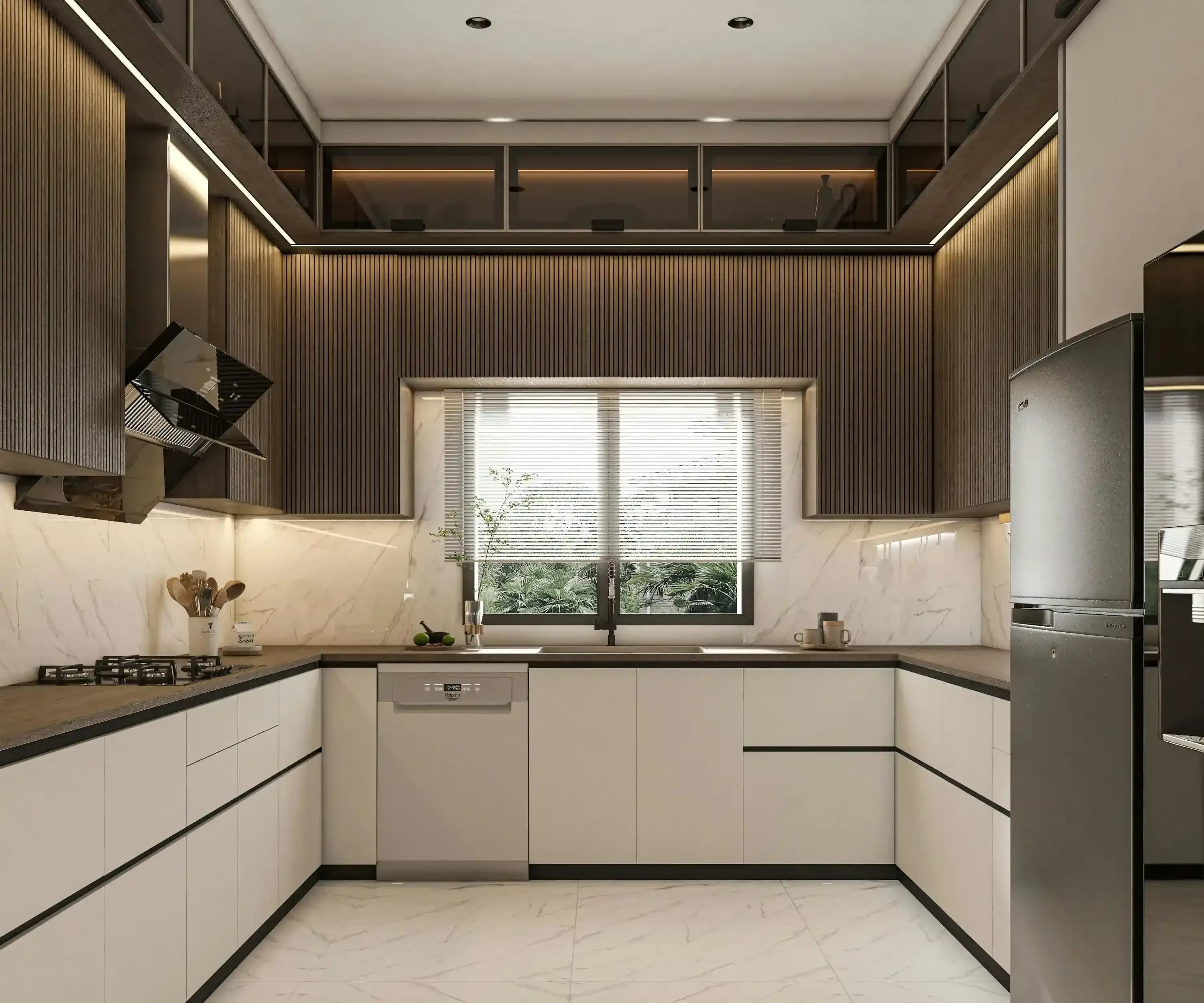
When delving into technical specifications, modular kitchens utilize BWP (Boiling Water Proof) plywood or engineered wood panels that undergo high-pressure lamination in controlled environments. This ensures that the adhesives and edges remain bonded for years without peeling. Carpenter-made kitchens rely heavily on the local craftsman’s skill level and the quality of manual lamination, which is prone to atmospheric errors. In Delhi's extreme seasonal cycles, manual lamination often leads to edge-chipping or swelling over time. Modular solutions provide systematic hardware integration—such as soft-close hinges and tandem drawer systems—that are pre-drilled for perfect alignment, whereas manual installations often struggle with hardware longevity due to imprecise drilling and alignment challenges.
Why Kitchen Costs Differ: Hidden Expenses and Long-Term Value
Cost variations are primarily driven by the 'hidden' expenses of on-site labor versus modular efficiencies. While you might perceive a carpenter-made kitchen as cheaper, the cost of raw materials often rises due to high wastage during cutting and fitting, which is not tracked in the same way as factory production. Furthermore, modular kitchens include the cost of professional installation and long-term hardware warranties. For a homeowner, the modular approach offers a predictable budget because the pricing is calculated based on modular units or square footage, whereas carpenter-made kitchen estimates can inflate as project timelines stretch, leading to increased site labor charges and unforeseen material consumption costs.
Functionality and Design Benefits of Modern Modular Kitchens
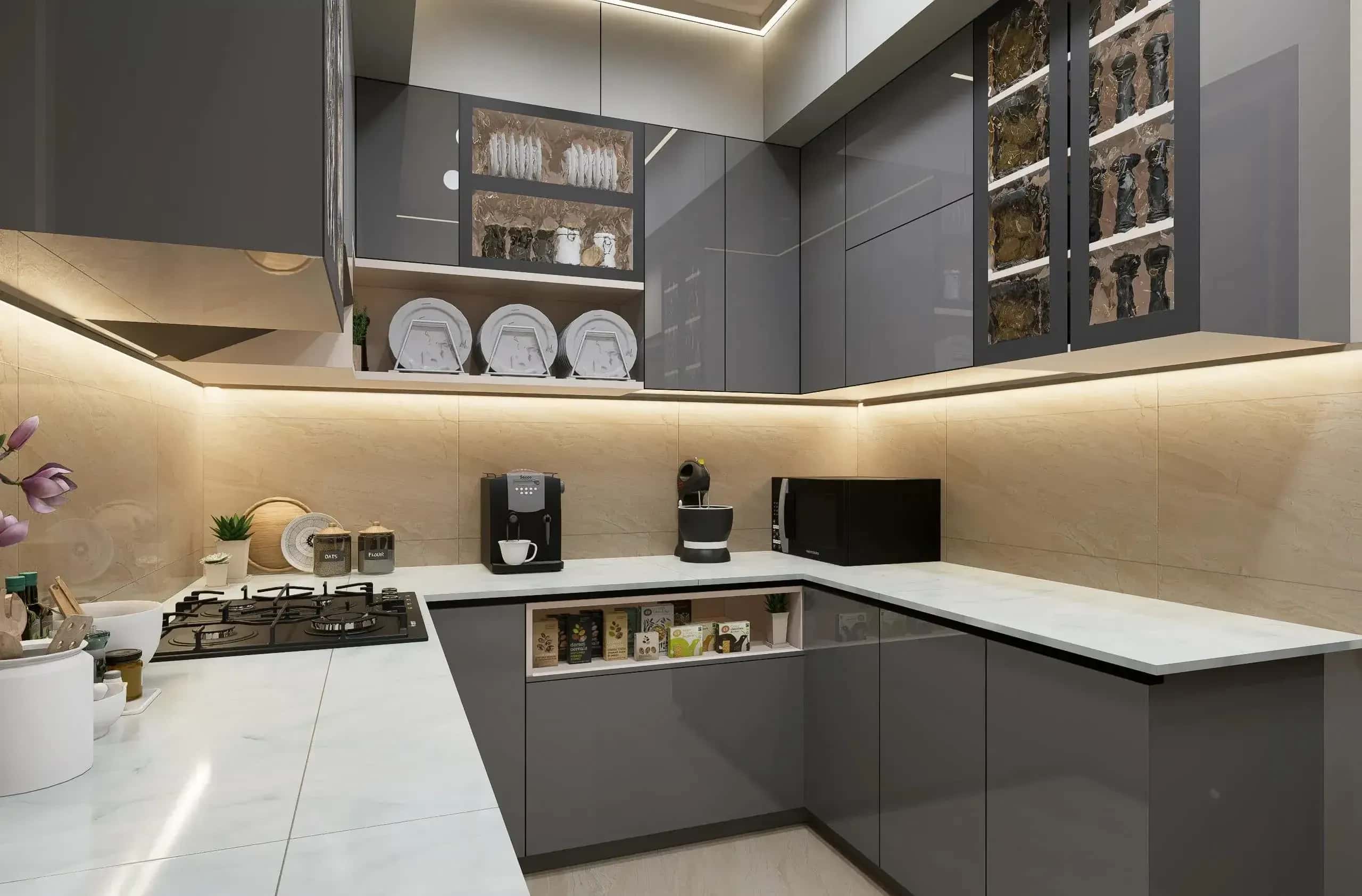
Comparing the two, modular systems offer superior functionality and aesthetic consistency. They are designed to accommodate modern kitchen accessories like corner carousels, pantry pull-outs, and under-sink waste management units seamlessly. A carpenter-made kitchen can replicate these features, but the 'fit and finish' often lacks the seamless integration of pre-designed modular modules. If you are renovating a home in Delhi and require a kitchen that survives daily heavy use, the rigidity of a factory-produced modular cabinet is significantly higher. The modular approach treats the kitchen as an assembly of functional units, allowing for easier maintenance and even the replacement of individual panels if damaged, a flexibility that traditional carpentry cannot offer once the structure is permanently fixed.
Debunking Myths About Durability and Material Strength
A common misconception among homeowners is that carpenter-made kitchens are always more durable because they use 'heavy' plywood. However, durability is a function of joint integrity and edge sealing, not just the thickness of the board. Modern modular kitchens use optimized panel structures that provide equal or better load-bearing capacity while maintaining lighter, more efficient mechanics. The error often made is assuming that by buying the plywood yourself, you save money. You inadvertently increase your risk; if the board warps or the laminate bubbles, there is no single point of responsibility. Modular kitchens provide a comprehensive system where the manufacturer takes accountability for the entire cabinet structure, hardware, and surface finishes.
How to Choose the Right Modular Kitchen Provider in Delhi NCR
When selecting your vendor, prioritize those who offer a factory-controlled environment. Visit a showroom to test the drawer slides and hinge mechanisms—they should operate silently and with minimal resistance. Ensure the vendor uses calibrated machines for edge-banding, as this is the most critical factor in moisture resistance. Look for documented warranty terms on both hardware and the carcass material. If you are aiming for a modern look, focus on the quality of the finish, whether it is acrylic or laminate. In Delhi, where heat and humidity fluctuate, choosing a professional modular service ensures that your kitchen is not just an aesthetic choice, but a functional investment that stands the test of time.