Renovating your home while continuing to live in it can be challenging, especially when temporary accommodation is not an option. However, with the right planning, homeowners in Delhi NCR can complete a renovation without completely disrupting their daily routine. The key is to divide the project into manageable phases, protect the occupied areas, and maintain clear communication with the interior design and renovation team. A well-planned approach allows you to improve your home while still having access to essential spaces for sleeping, cooking, bathing, and relaxing.
Phased Renovation Planning
A phased renovation is one of the most effective ways to manage a home renovation while living on-site. Instead of starting work throughout the entire property at once, divide the home into individual zones and complete them one at a time. For example, you can begin with a guest bedroom, move to the primary bedroom, and then progress towards the living room or kitchen.
This approach keeps a portion of your home functional throughout the renovation. Although completing the project in phases may take slightly longer than renovating the entire property simultaneously, it significantly reduces disruption and makes the home more comfortable to live in.
For homeowners planning a complete upgrade, working with an experienced renovation team can also help coordinate civil work, carpentry, electrical installations, painting, and final styling in the correct sequence. If you are planning a flat renovation, you can explore flat renovation and interior design services in Delhi to understand how a professionally managed renovation can be structured.
Another important part of phased planning is establishing a realistic timeline. Your schedule should account for material deliveries, drying and curing periods, installation work, site cleaning, and unexpected delays. Building some flexibility into the timeline prevents the renovation from becoming stressful when minor issues arise.
Living in a Half-Renovated Home
Living in a half-renovated home requires a balance between construction requirements and everyday family life. The objective should be to ensure that at least the essential areas of the house remain usable while work is underway.
A practical sequence is to complete the bedrooms and bathrooms first, followed by the kitchen and finally the living and dining areas. This ensures that your family always has a place to sleep, access to a functional bathroom, and, where possible, a temporary area for preparing meals.
During a kitchen renovation, for example, you can create a temporary pantry in another room using a microwave, induction cooktop, refrigerator, and basic utensils. Planning simple meals during this period can make the transition considerably easier.
It is also useful to create a clear boundary between the construction zone and the occupied zone. Keep personal belongings, children's items, clothing, and frequently used household products away from active work areas. If possible, store non-essential furniture and valuables outside the renovation zone or in protected storage.
A professional home renovation service can help coordinate these stages while keeping the project aligned with your family's requirements. For homeowners in the region, home renovation services in Delhi NCR can provide useful guidance when planning a renovation around an occupied home.
Which Rooms to Renovate First
Choosing the right renovation sequence can make a major difference to your comfort. Avoid renovating every room simultaneously simply to finish the project faster. When too many areas are under construction at the same time, you may lose access to essential facilities and make the entire home feel unlivable.
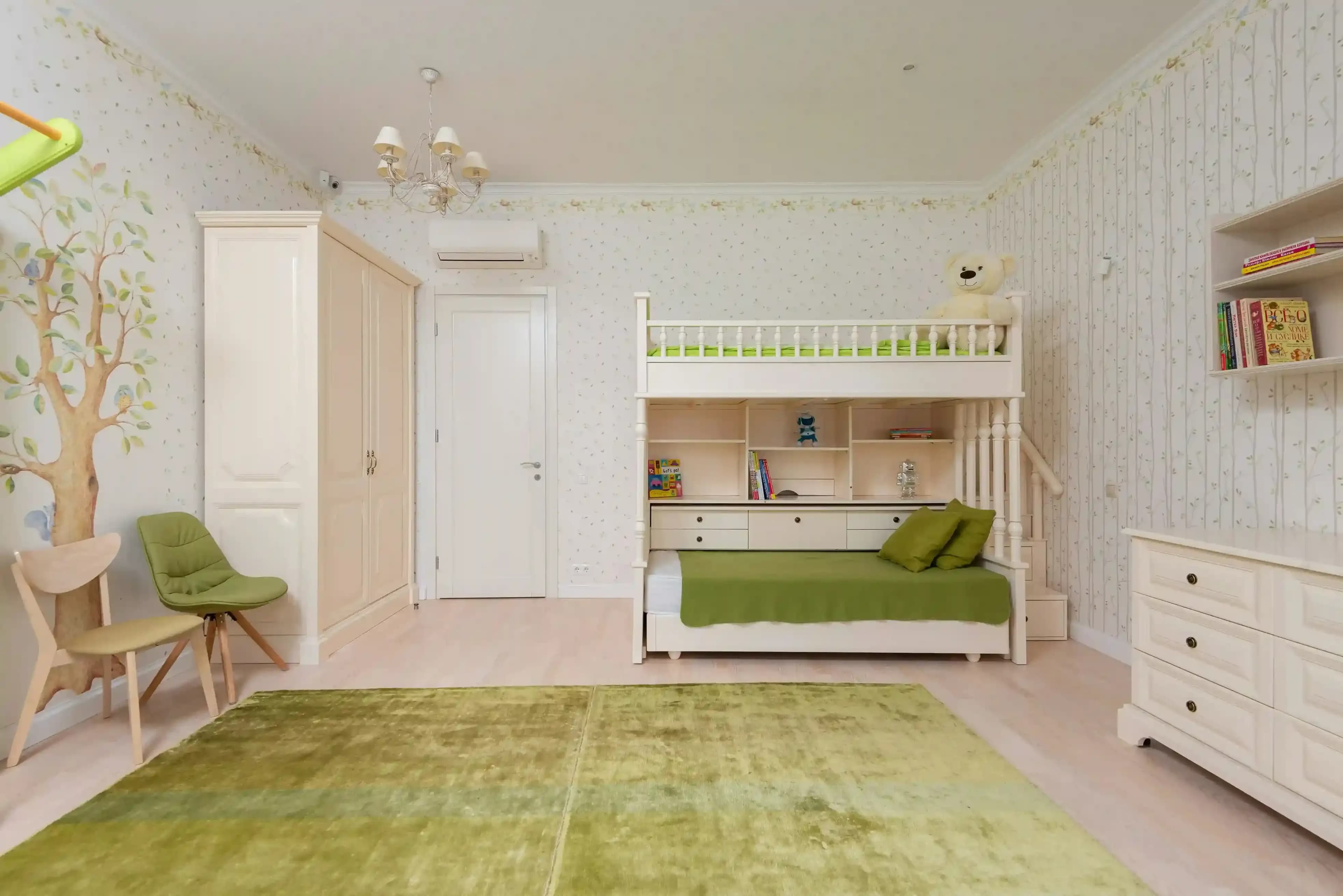
Bedrooms and bathrooms are generally a sensible starting point because they are essential to everyday life. Once these spaces are completed and cleaned, they can become your family's comfortable zone while work moves to other parts of the property.
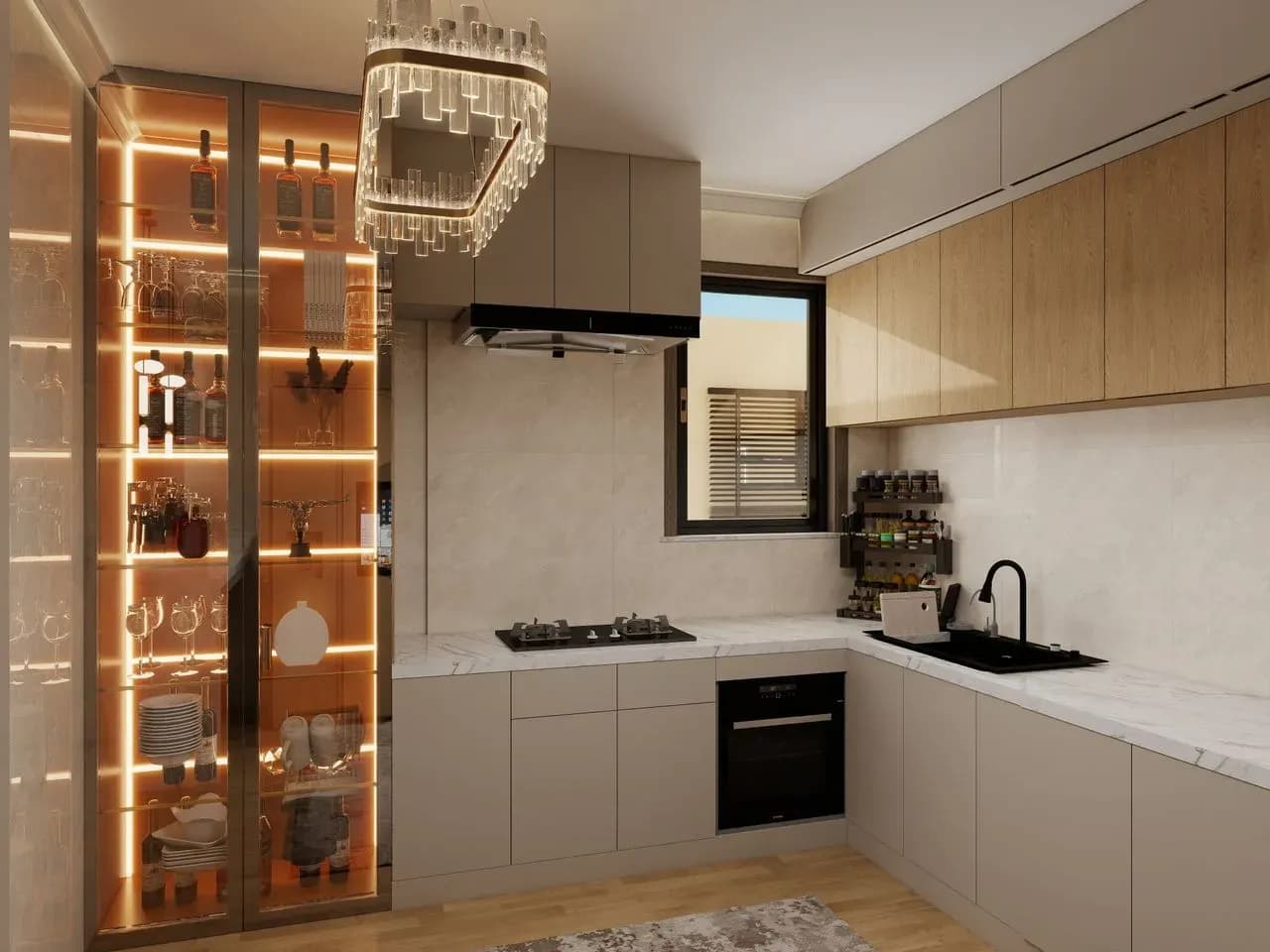
The kitchen should usually be planned as the next major phase because it is one of the most frequently used areas of a home. Before work begins, establish a temporary food-preparation area and decide which appliances and utensils you will need during the renovation.
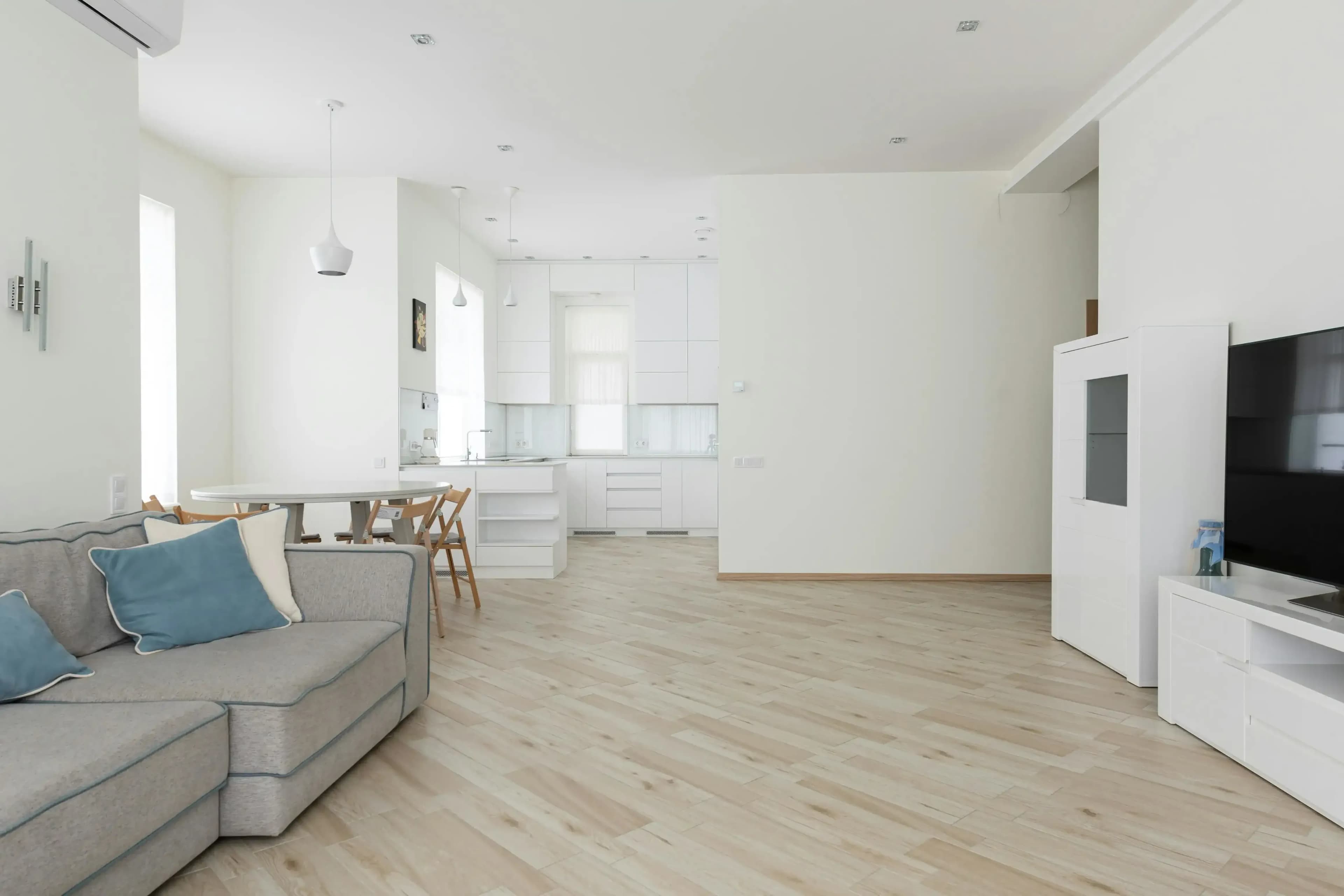
The living room, dining area, balcony, or other common spaces can then be addressed towards the later stages. This approach allows the family to retain a private and functional area for most of the project.
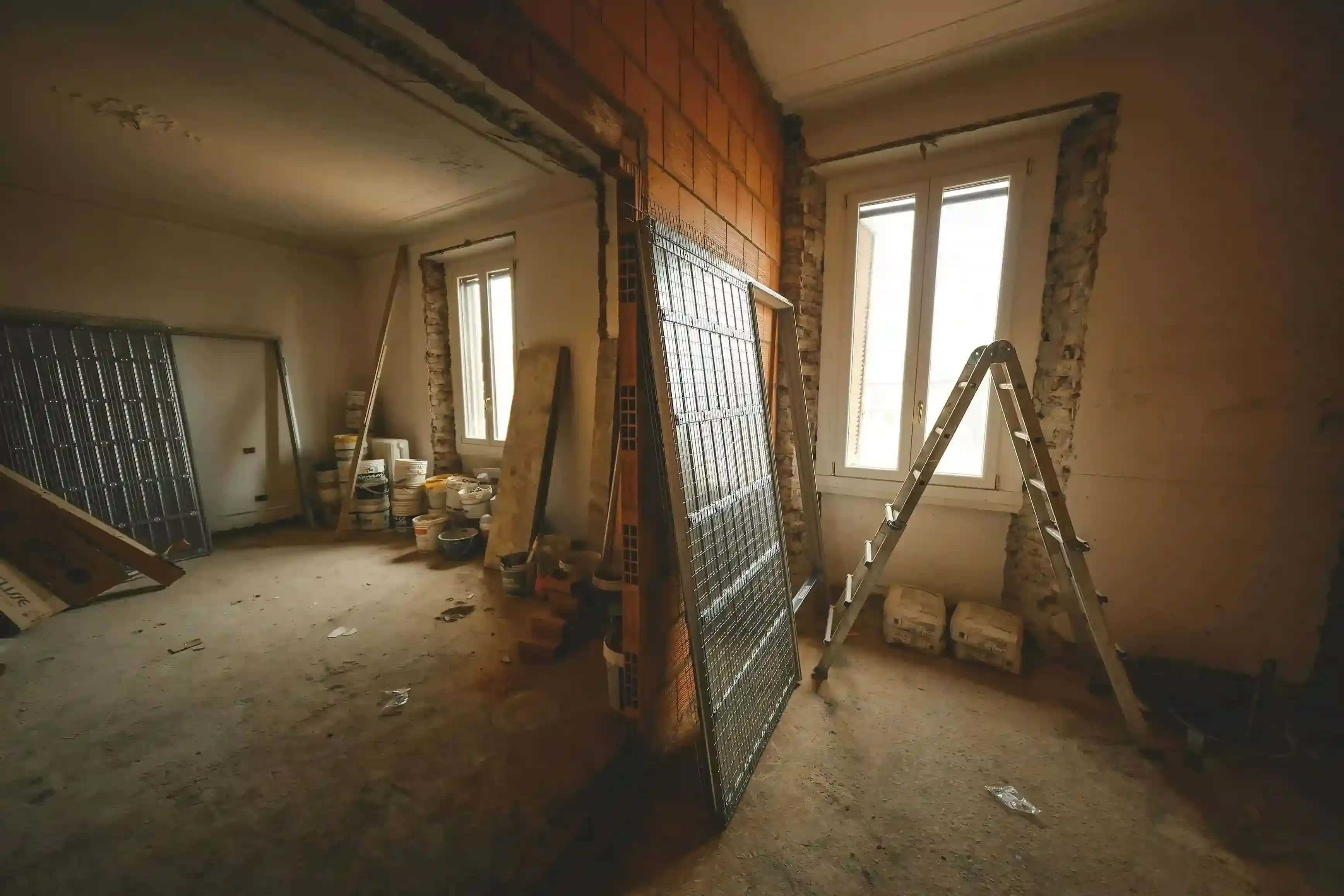
The complexity of each room should also influence the sequence. Civil work such as wall demolition, flooring replacement, plastering, and major electrical modifications typically creates more dust, noise, and disruption than furniture installation or decorative upgrades. If you have limited space, completing high-disruption work in a controlled phase can make the overall renovation much easier to manage.
Before finalizing the scope, it is also important to understand the likely investment involved. Reviewing current home renovation costs in Delhi NCR can help you create a realistic budget and allocate funds across civil work, materials, furniture, finishes, and installation.
Managing Dust & Disruption
Dust is one of the biggest challenges when renovating an occupied home. Before demolition, drilling, flooring, or other dusty work begins, the contractor should establish a proper site protection system. Heavy-duty plastic sheets, floor protection boards, protective coverings, and sealed access points can prevent construction dust from spreading into finished or occupied areas.
Zipper-door systems or temporary sealed entrances are particularly useful for isolating active work zones. Nearby furniture, electrical equipment, appliances, wardrobes, and other sensitive items should also be covered before work starts. In Delhi NCR, where outdoor dust can already be a concern, effective site protection becomes even more important.
Daily cleaning is equally important. Construction debris should not be allowed to accumulate around the home. At the end of each working day, workers should clear the active workspace, remove waste, and leave essential access routes usable. A cleaner site is not only more comfortable for residents but can also improve worker efficiency and reduce the risk of damage to existing property.
Noise should be managed alongside dust. Discuss permitted working hours with your contractor before the project begins. Heavy demolition and drilling can be scheduled during reasonable daytime hours, while quieter activities can be reserved for periods when family members are working, studying, or resting.
The season can also affect the renovation experience. Delhi's monsoon can make ventilation and drying more difficult, while cooler and drier periods can be more comfortable for certain indoor renovation activities. However, the suitability of a particular period will depend on the scope of work, ventilation, material specifications, and the property's conditions.
Where possible, choose factory-finished or modular furniture instead of carrying out extensive carpentry inside the home. Factory production allows much of the work to happen off-site, reducing the amount of cutting, sanding, and assembly required inside the property. Final installation can therefore be completed considerably faster and with less disruption.
Communication and Daily Site Management
Clear communication with your contractor is essential when renovating an occupied home. Before work starts, establish working hours, access arrangements, cleaning responsibilities, material storage areas, waste disposal procedures, and rules for using electricity and water.
Ask the renovation team for a practical daily or weekly schedule showing which rooms will be inaccessible and what type of work is planned. This allows your family to plan meals, work-from-home arrangements, school routines, and other daily activities around the construction schedule.
It is also useful to nominate one person as the primary point of contact for project decisions. This avoids conflicting instructions and allows changes to be communicated quickly to the renovation team.
A successful live-in renovation ultimately depends on treating the project as a controlled process rather than an ongoing disruption. With phased planning, proper site protection, sensible room sequencing, factory-finished solutions, and consistent communication, homeowners can achieve a major interior transformation without moving out of their Delhi NCR home.
Final Takeaway
Renovating while living in your home may require more planning than an empty-site renovation, but relocation is not always necessary. The most effective strategy is to renovate in clearly defined phases, protect the areas that remain occupied, complete essential rooms first, control dust and noise, and maintain a realistic project schedule. finalize you renovation design on our Interior Style Quiz .
With the right renovation partner and a well-defined scope, even a major home renovation can be organised around your family's everyday needs—allowing you to enjoy the transformation without sacrificing your basic comfort throughout the process.